Your car’s paint protection choice between PPF and ceramic coating makes a huge difference in its longevity. Paint Protection Film gives you 5 to 7 years of protection and guards against physical damage like scratches, chips, and deep abrasions.
A ceramic coating works differently – it creates a permanent protective layer by bonding a liquid polymer with your car’s factory paint.
The cost difference between these options stands out quite a bit. You’ll pay $2,000–3,000 for partial PPF wraps on high-wear areas, while full-vehicle protection can reach $10,000. A professional ceramic coating application costs between $1,000–$3,000.
Each option serves its own purpose. PPF works as a sacrificial layer to stop physical damage. The ceramic coating’s strength lies in protecting your car from minor scratches, swirl marks, and fading.
Your car’s best protection comes from using both methods together. PPF’s self-healing properties let it bounce back to its original form after getting dents or scratches.
The ceramic coating adds extra protection against water, dirt, and UV rays. This piece will explain what makes each option special and help you pick the right protection system that fits your car and driving needs.
What is PPF vs Ceramic Coating?
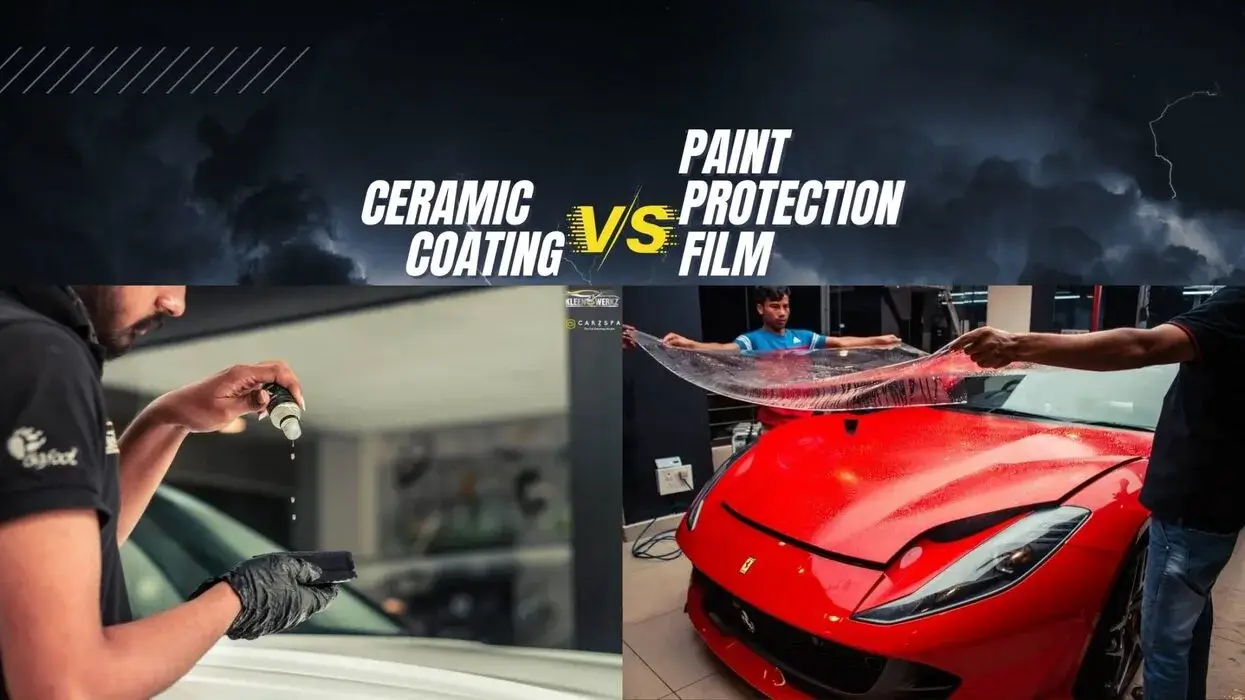
Image Source: CarzSpa
Car owners should know the key differences between two popular paint protection choices.
PPF: Paint Protection Film explained
Paint Protection Film (PPF) is a transparent thermoplastic urethane film that goes directly on your vehicle’s exterior surfaces. This protective layer acts as a shield against physical damage and measures 6-8 mil in thickness.
PPF’s most impressive feature makes it stand out – minor scratches vanish when exposed to heat because elastomeric polymers return to their original shape. A well-maintained PPF will last 5-10 years.
Ceramic Coating: What it does and how it works
Ceramic coating uses a liquid polymer with silicon dioxide (SiO2) that bonds chemically to your car’s factory paint.
The protective layer becomes permanent and won’t wash away like regular waxes do. The coating creates a water-repelling surface that keeps dirt and environmental contaminants at bay. Professional ceramic coatings need reapplication after 2-5 years.
Key differences in application and material
Here’s what sets these options apart:
Composition: PPF comes as a physical urethane film, while ceramic coating is a liquid polymer
Protection type: PPF handles impact damage better, but ceramic coating wins at chemical and UV protection
Application: PPF needs exact cutting and fitting, while ceramic coating requires careful surface prep
Car owners often end up choosing both options to get complete protection. PPF blocks physical damage while ceramic coating adds extra shine and fights off chemical damage.
Why Paint Protection Matters for Your Car
Your car’s paint does more than just make it look good—it protects structural integrity and helps maintain its value. A good paint job shields your vehicle from several threats that can damage it every day without you noticing.
UV damage and oxidation risks
The harsh Australian sun can seriously damage unprotected cars. UV rays penetrate the clear coat and break down the paint’s molecular structure, which makes the paint fade and look chalky.
On top of that, it causes oxidation—a chemical reaction that makes your paint surface rough and uneven. These problems get worse over time, and modern cars show damage after just a few years of regular use.
Impact of road debris and scratches
Your daily drive puts your car in the path of countless small stones, gravel, and debris that can chip and scratch the paint. These small marks let moisture and contaminants seep in, which can cause rust and corrosion. Bird droppings and tree sap contain acids that eat through your clear coat. Australian roads, especially when you have off-road trails, make these risks substantially higher.
Long-term resale value and esthetics
Cars with protected paint usually sell for 15-20% more in premium markets. Buyers tend to trust cars with well-maintained exteriors more, as they see it as a sign of overall good care. You could spend $7,644-$10,000 on resprays after 5-7 years of harsh conditions. Instead, preventive protection helps keep your factory finish looking great with minimal effort.
How PPF and Ceramic Coating Work
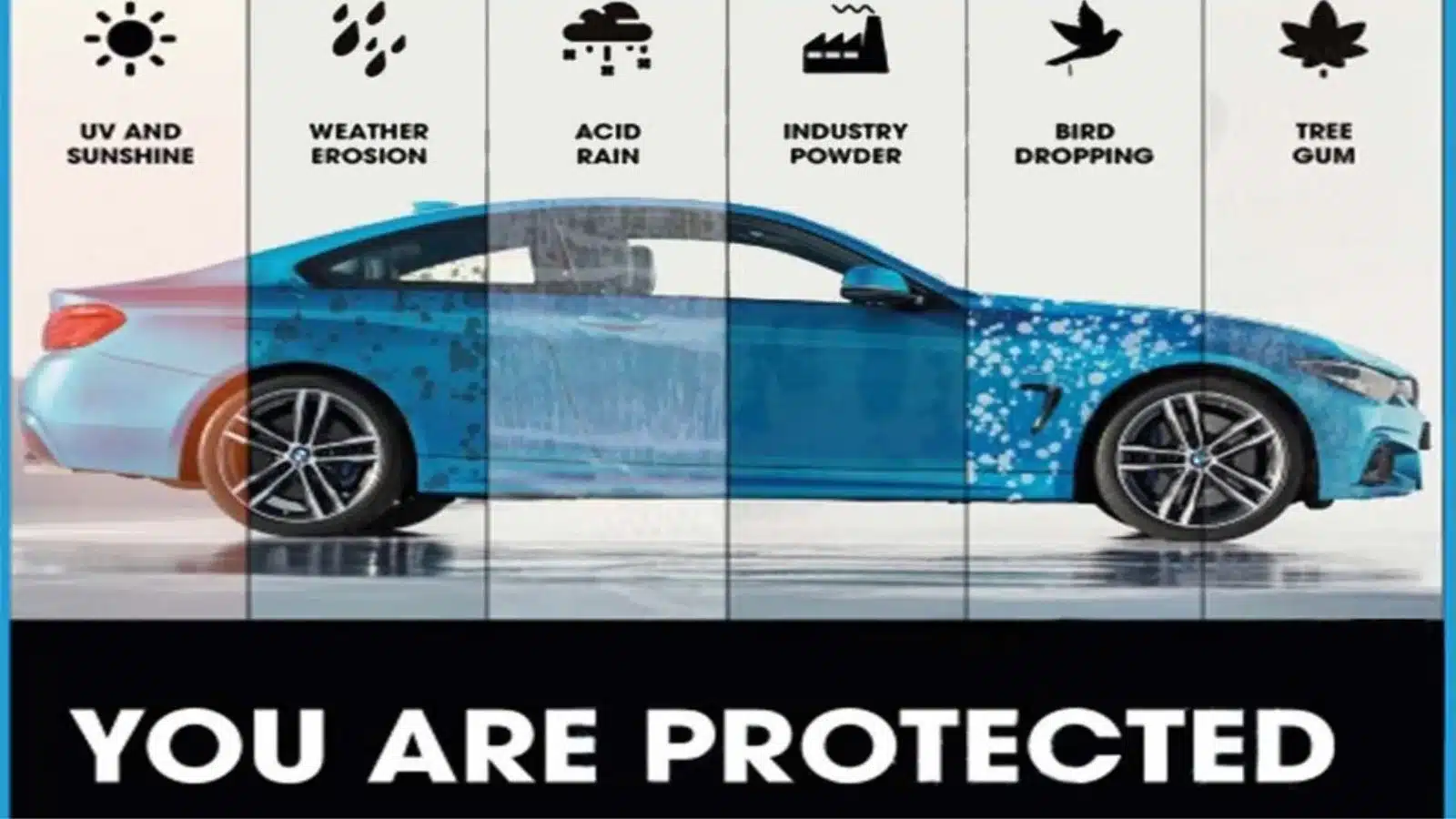
Image Source: RAXTiFY
The science of vehicle protection shows how these options work differently in real-life conditions.
PPF: Self-healing and physical barrier
Paint Protection Film acts as a physical shield because of its thermoplastic urethane composition. Quality PPF’s self-healing properties make it magical.
The elastomeric polymers respond to heat from sunlight or warm water by returning to their original position, which erases minor surface damage. This “memory effect” lets the film fix itself after getting scratches. Your vehicle stays flawless without any extra work.
Ceramic Coating: Hydrophobic and chemical resistance
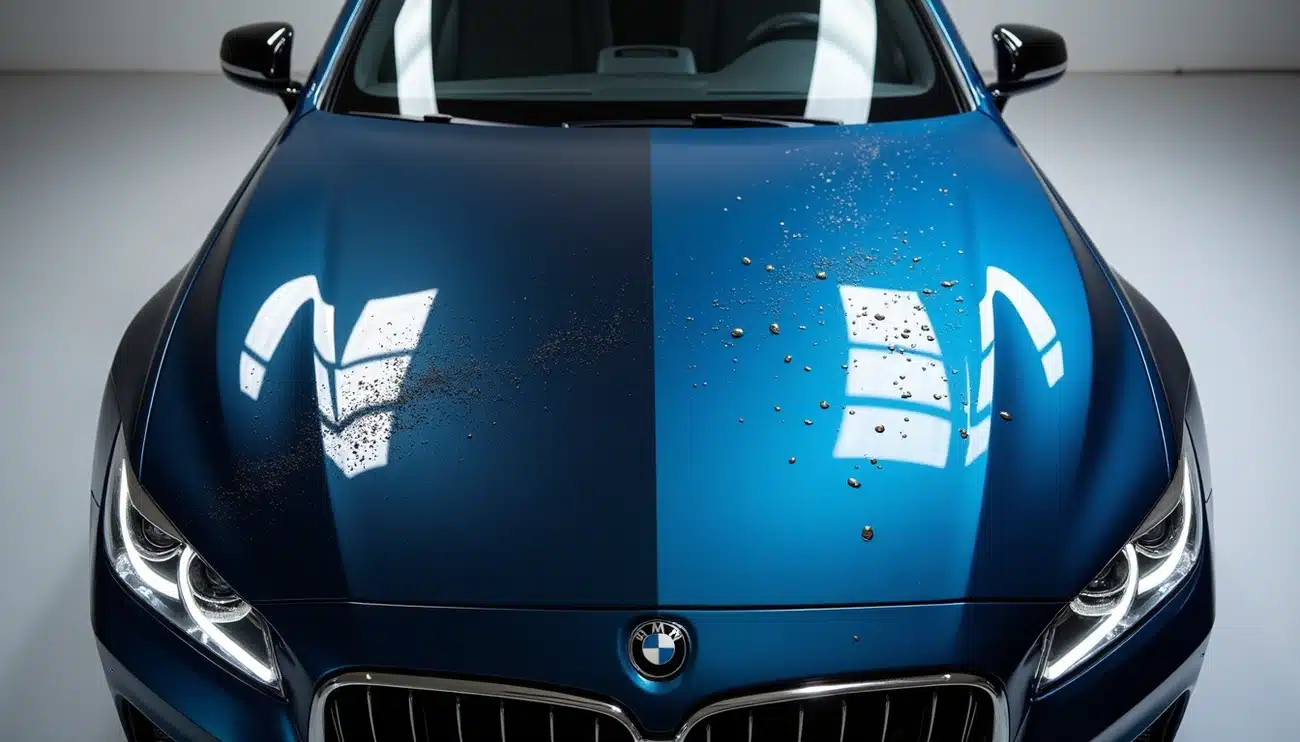
Ceramic coatings bond at the molecular level through chemical processes. The silicon dioxide (SiO2) creates a water contact angle between 91° and 120°, which makes surfaces repel water.
The coating’s methyl groups face the surface during curing. This creates strong hydrophobic properties that make water bead up and roll away with contaminants. The structure also resists chemicals like acids, caustics, and solvents.
Combining both for maximum protection
These technologies work together perfectly. The process starts with PPF installation as the physical defense layer. A ceramic coating goes on top next.
This duo provides physical protection from impacts through the PPF. The ceramic layer adds chemical resistance, UV protection, and water-repelling properties without affecting the PPF’s self-healing abilities. The ceramic coating makes the PPF look better with extra gloss and makes maintenance easier.
Costs, Lifespan, and Maintenance Requirements
Your vehicle’s protection depends on how much you’re willing to spend and how much maintenance you can handle. Lock in protection that lasts. Request your coating or PPF date today.
PPF cost range and expected lifespan
Professional PPF installation comes at a significant cost. Prices range from AUD 764.50 to AUD 7,644.95, based on how much of your car you want to protect. You’ll pay less for partial coverage that protects high-impact areas, while full-vehicle protection costs more.
Quality PPF protects your car for 5-10 years, and premium films usually come with 10-year warranties. This long lifespan makes up for the higher cost by preventing physical damage year after year.
Ceramic Coating pricing and durability
Ceramic coating gives you a more budget-friendly option. Professional applications cost between AUD 1,221.66 and AUD 3,822.48, depending on your car’s size and coating quality. DIY kits cost from AUD 152.90 to AUD 458.70, but they rarely match professional results.
Professional ceramic coatings protect your car for 2-5 years, while premium options last 5-7 years. Traditional waxes only last 3-6 months, so ceramic coatings provide better value over time.
Maintenance needs for both options
The right maintenance helps both protection systems last longer:
Regular washing: Stick to gentle, car-specific shampoos and stay away from harsh chemicals
Proper drying: Clean microfiber towels prevent water spots
Prompt contaminant removal: Clean off tree sap and bird droppings right away
Professional inspections: Yearly check-ups keep everything working well
PPF needs quick attention if you notice any peeling. Ceramic coatings make cleaning easier thanks to their water-repelling properties, but they need regular care to stay effective.
Common Mistakes and How to Avoid Them
Quality protection can fail because of basic installation mistakes. This section helps you spot critical protection errors and shows you how to avoid them with confidence.
Choosing the wrong installer
Protection quality depends heavily on professional installers. Inexperienced technicians often lack proper application skills that lead to bubbles, wrinkles, and early peeling. Price shouldn’t be your only factor to assess installers. Look for:
Industry recognized certification
Detailed portfolios showing quality work
Hands-on experience with your car model
Advanced tools like plotters and design software
Partial PPF wraps and dirt lines
Vehicle owners often make the mistake of putting PPF only on the front or high-impact areas. PPF wasn’t built for partial coverage – this creates noticeable dirt lines where film meets paint.
Dirt builds up more when edges aren’t tucked properly, which forms solid lines along the edges. Professional installers get better results by lining up film with panel gaps on flat surfaces instead of forcing it under trim.
Skipping maintenance for ceramic coatings
Ceramic coatings need regular care despite their tough nature. These common mistakes can damage your coating:
Harsh chemicals strip away protection
Missed regular washes (do it every 2-4 weeks)
Tree sap and debris damage from poor parking choices
Damage from automatic car wash brushes
Your protection investment lasts much longer with proper care and attention.
Mini Case Study: Which Option Worked Best?
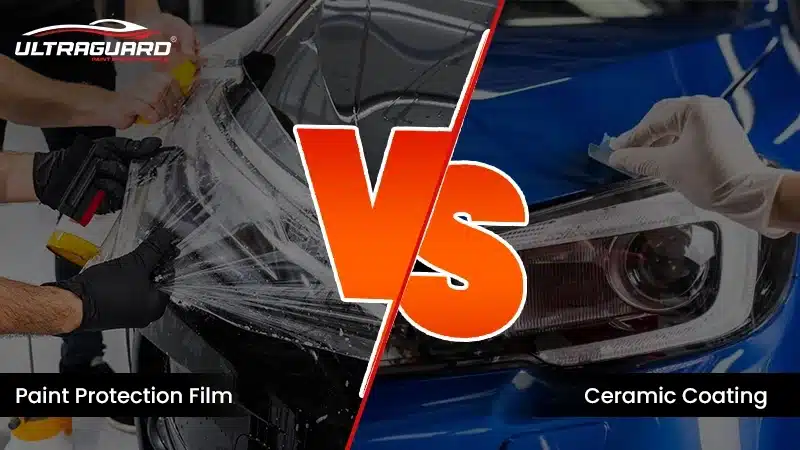
Image Source: Paint Protection Film
Testing in real-life conditions shows how different protection options perform on vehicles of all types and driving conditions. This guide will help you understand which protection works best in specific scenarios and make your selection with confidence.
Urban daily driver: Ceramic Coating results
Vehicles in cities with ceramic coating stay cleaner longer, even in tough urban environments where pollution and dust build up quickly.
The coating’s hydrophobic properties repel contaminants that usually stick to untreated surfaces. This feature especially appeals to busy professionals who want minimal maintenance.
The protection lasts 2-5 years, giving urban drivers extended protection without frequent reapplication.
Off-road SUV: PPF performance over 3 years
Premium 10 mil (0.01 inches) thick PPF has proven its exceptional durability against brush and branch scratches in off-road tests. A Jeep owner’s experience showed that the PPF prevented paint surface gouging even on challenging trails that normally cause significant pinstriping.
Lock in protection that lasts. Request your coating or PPF date today. Off-roaders consider the AUD 1,146 investment for partial coverage worthwhile because they can tackle challenging terrain confidently without worrying about their vehicle’s appearance.
Luxury car combo: PPF + Ceramic Coating
The combined approach has earned the highest satisfaction from luxury vehicle owners. The ceramic-infused top layer on PPF creates superior hydrophobic properties that make cleaning easier by a lot.
R&R team’s tests in harsh off-road conditions showed that scratches which would normally be permanent disappeared after sunlight activated the self-healing properties.
This dual-layer protection gives you the best of both worlds – physical damage resistance plus chemical and environmental protection.
Why Choose End Game Detailing
The quality of your PPF or ceramic coating protection depends on choosing the right installation specialist. End Game Detailing has established itself as a specialized expert in Sydney’s competitive market.
Show finish specialists for JDM, classics, luxury and new cars
End Game Detailing goes beyond simple restoration to honor vehicles with precision-driven services specifically tailored for JDM builds, classic cars, luxury vehicles, and showroom reveals. Their expertise caters to purists and perfectionists who just need elite-level results.
Precision PPF using bulk and template methods for tight edges and clean seams
End Game uses specialized bulk-template techniques that ensure PPF fits perfectly to complex curves without lifting or peeling. This careful approach creates uninterrupted protection from front to back to preserve your vehicle’s lines.
Ceramic and graphene coatings with scheduled maintenance washes included
Their graphene-infused ceramic coatings create an impenetrable barrier that bonds chemically to your car’s paint, increasing gloss and paint film thickness by up to 10%. Lock in protection that lasts. Request your coating or PPF date today.
Photo updates during the job so you always know what is happening
The process emphasizes transparency. Clients receive regular photo updates throughout the installation to ensure complete visibility of the protection process.
5.0 Google rating from 42 reviews and a referral led studio in Guildford, Sydney
Client satisfaction shines through their perfect 5.0 rating from 42 Google reviews. The business has grown through referrals.
Studio only quality, Tuesday to Saturday, 9 am to 5 pm. Call 0400 053 885 or email us
The Guildford, Sydney studio operates Tuesday through Saturday, 9 am to 5 pm. The team focuses exclusively on delivering studio-quality results.