Most car owners either detail too infrequently or have no real schedule at all. The result is the same either way: paint that degrades faster than it should, contaminants that bond to the surface and become increasingly difficult to remove, and a car that never quite looks as good as it could.
How often should you detail your car? It is one of the most searched questions in the car care world, and the honest answer is that there is no single number that applies to everyone. A daily driver parked on the street in Western Sydney has very different needs to a weekend JDM build stored in a garage between shows.
What follows is a practical, experience-based breakdown of detailing frequency that applies to real cars in real conditions.
Why Detailing Frequency Actually Matters
A lot of people think of car detailing as purely cosmetic, something you do before a show or when the car starts looking embarrassing. That misses the point entirely.
Paint degradation is cumulative. Every day your car sits without protection, it is being attacked by UV radiation, bird droppings, industrial fallout, tree sap, brake dust, and airborne contaminants. None of these threats are visible until the damage is already done.
By the time paint looks dull, oxidised, or swirl-marked, the surface has already been compromised. Regular detailing is about preventing that damage, not just cleaning up after it.
For enthusiasts who care about long-term paint condition, resale value, or show presentation, frequency is not optional; it is part of the strategy.
The General Rule: How Often Should You Detail Your Car?
Here is the honest starting point before we get into specifics:
- Full detail: Every three to six months for most daily drivers
- Maintenance wash: Every two weeks
- Paint decontamination: Every six to twelve months
- Paint correction: As needed, typically every one to three years depending on paint condition and protection level
- Ceramic coating top-up or inspection: Every twelve months
These are baselines. Your situation will move you up or down the scale.
What Type of Car Owner Are You?
Understanding your own usage pattern is the starting point for building the right detailing schedule. Most car owners fall into one of these categories.
| Owner Type | Usage | Parking | Recommended Full Detail |
|---|---|---|---|
| Daily driver, street parked | Five or more days per week | Outdoors, exposed | Every 6 to 8 weeks |
| Daily driver, garaged | Five or more days per week | Garaged overnight | Every 3 to 4 months |
| Weekend driver | One to two days per week | Garaged | Every 4 to 6 months |
| Show car or collector | Occasional, events only | Climate controlled | Before each event or season |
| New car owner with coating | Daily or weekend | Garaged | Every 6 months, maintenance monthly |
If you are not sure where you sit, think about the last time your car was detailed and how it looks right now. The gap between those two things tells you something.
Breaking It Down: How Often Each Service Should Be Done
Not every detailing service runs on the same schedule. Here is a practical breakdown of the main services and how frequently each one is typically needed.
Maintenance Washes
Every two weeks. This is your baseline. A proper maintenance wash removes the layer of contaminants that accumulates on your paint between full details. Skipping this step allows those contaminants to bond to the surface and become significantly harder to remove.
A maintenance wash is not a pressure wash at a servo. It is a two-bucket hand wash using pH-neutral products that will not strip your protection layer. If your car has a ceramic coating or graphene coating, a proper maintenance wash is what keeps that coating working correctly between inspections.
Full Interior and Exterior Detail
Every three to six months. A full detail goes beyond the paint. It includes a thorough interior clean, leather conditioning if applicable, glass treatment, wheel and brake dust removal, and a full exterior decontamination and protection refresh.
If you are pushing six months without a full detail on a daily driver, you are likely already dealing with light surface contamination that will require more work to address than if you had stayed on schedule.
For a detailed breakdown of what is actually included in a full service, the interior detailing service at a premium Sydney detailing studio covers the full scope of what a proper interior refresh involves.
Paint Decontamination
Every six to twelve months. Decontamination removes bonded contaminants that regular washing cannot touch: iron fallout, industrial overspray, tar spots, and embedded brake dust. You will know it is time when your paint feels rough to the touch even after washing.
This is typically done as part of a full detail or as a preparation step before applying a protection product. Skipping it and applying coating over a contaminated surface is one of the most common mistakes that compromises long-term results.
Paint Correction
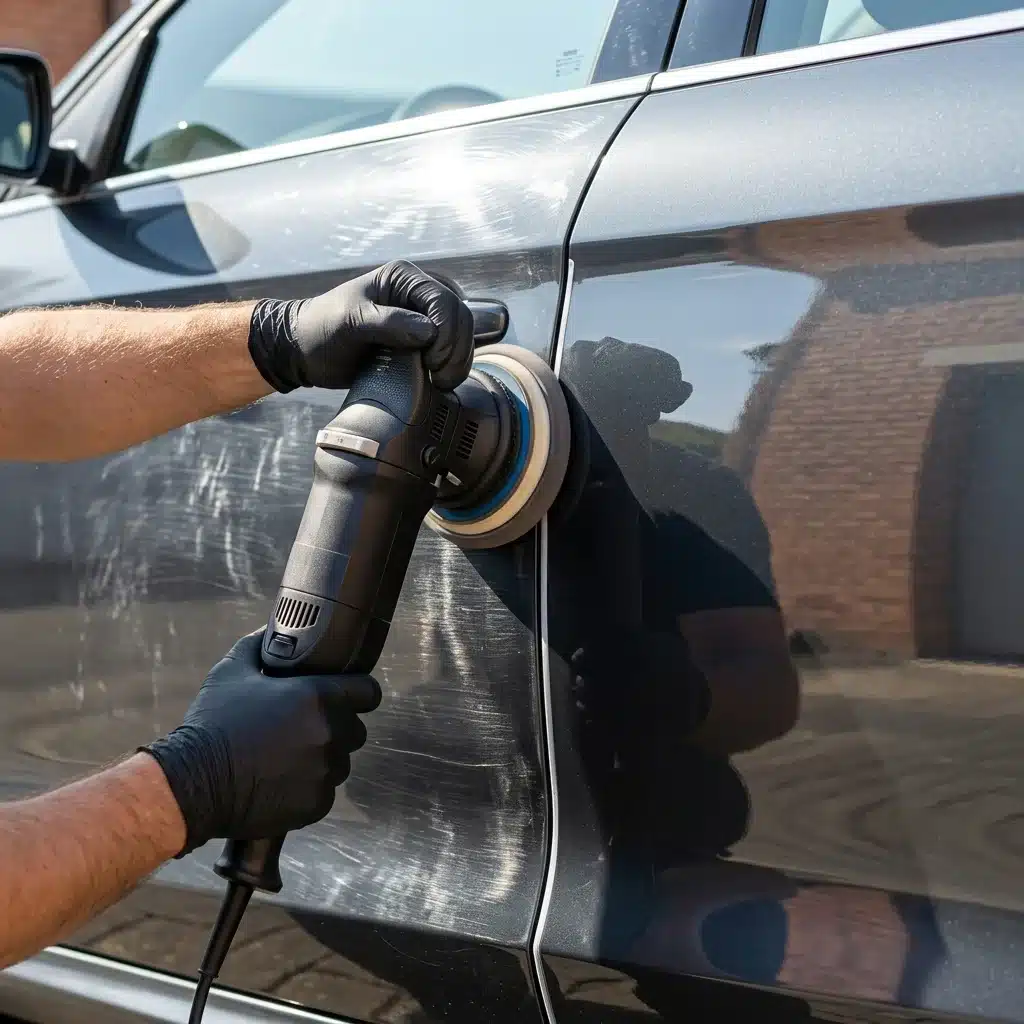
Every one to three years, or as needed. Paint correction removes swirl marks, light scratches, oxidation, and water spot etching from the clear coat. It is not something you need on a fixed annual schedule; it is something you do when the paint needs it.
Cars with proper protection and a good maintenance routine will need paint correction far less frequently than unprotected daily drivers. If you are starting from a neglected paint surface, a paint correction service in Sydney is the foundation that everything else is built on.
Ceramic or Graphene Coating Inspection
Every twelve months. A quality coating applied by a professional studio is designed to last two to five years depending on the product, but it still benefits from an annual check. The inspection covers coating integrity, any areas that have thinned due to usage patterns, and a maintenance boost to the hydrophobic layer.
If you want to understand how long your specific coating should last before booking a top-up, the guide on how long ceramic coating lasts covers the variables in detail.
How Your Environment Changes the Schedule
Where you live and park in Sydney has a significant impact on how quickly contaminants build up on your paint.
Street parking in inner or western Sydney exposes your car to industrial fallout, brake dust from heavy traffic, and bird activity. Cars in these environments need more frequent maintenance washes and shorter intervals between full details.
Coastal proximity introduces salt air, which is aggressive on both paint and unprotected metal surfaces. If you are within a few kilometres of the coast, your exterior needs more attention, not less.
Covered or underground parking dramatically extends how long your paint stays clean between washes, but it does not eliminate the need for periodic decontamination. Dust, brake dust from the car park, and humidity still accumulate over time.
Tree coverage is one of the most underrated paint threats. Tree sap, pollen, and bird droppings are all acidic. A car parked under trees daily needs attention much faster than one kept in open areas.
How Paint Protection Reduces How Often You Need to Detail
This is the most important variable in the whole equation, and it is the one that enthusiasts and new car owners most commonly underestimate.
An unprotected car needs more frequent full details, paint correction sooner, and significantly more work to maintain the same visual standard as a protected car.
A car with ceramic or graphene coating repels water, contaminants, and UV. The surface is dramatically easier to clean, contaminants bond less aggressively, and the paint retains its depth and gloss far longer. The maintenance schedule is not eliminated, but it becomes far more manageable.
A car with paint protection film adds a physical barrier against stone chips, scratches, and impact damage. Combined with a ceramic coating over the top of the film, a fully protected car is operating on the most forgiving maintenance schedule available.
If you are deciding between options, the comparison between PPF and ceramic coating covers the key differences for different usage scenarios.
For new car owners in particular, getting protection applied before the paint accumulates its first round of daily damage is one of the best decisions you can make. The new car paint protection guide covers why the first few weeks matter more than most people realise.
Signs Your Car Needs Detailing Right Now
If you are not on a schedule yet, these are the signals that tell you it is time regardless of when you last had it done:
- Paint feels rough or gritty after washing
- Water no longer beads or sheets off the surface
- Swirl marks are visible in direct sunlight
- There are water spots or etching on the paint
- Interior surfaces feel sticky, look dull, or smell stale
- Bird dropping marks remain even after washing
- Brake dust has stained the wheels and will not come off with a rinse
Any one of these is enough reason to book. Multiple issues at once usually means a full detail plus paint decontamination at minimum.
“A lot of customers come in saying they wash their car every week, but the paint still looks average. The issue is almost always that washing alone is not the same as detailing. You need decontamination, correction if needed, and proper protection. Washing maintains what is already there; detailing builds and restores.” – Senior detailer, Guildford Sydney
Building a Detailing Schedule That Works for You
Here is a simple framework for setting up a year-round routine based on common Sydney car owner profiles:
For the daily driver with ceramic coating:
- Maintenance wash every two weeks
- Full interior and exterior detail every four to six months
- Annual coating inspection and top-up
For the weekend enthusiast or JDM build:
- Wash after every use or exposure
- Full detail before and after show season
- Paint correction every two to three years depending on condition
For the new car owner:
- Professional paint protection applied within the first month
- Maintenance wash every two weeks
- Full detail every six months
If you want a structured ongoing programme, the maintenance plans available through Endgame Detailing are designed specifically to keep your car in consistent condition year-round without guesswork.