What Is Car Wax?
Car wax is a natural or synthetic product applied to the paint surface to add temporary gloss and a basic protective barrier.
Carnauba wax is derived from the leaves of the Brazilian carnauba palm. It produces a warm, deep glow that many enthusiasts love, particularly on dark and classic cars. However, it is the least durable option, lasting only two to four weeks before it melts off in heat or washes away.
Synthetic wax (paint sealant) is a polymer-based product that mimics the look of carnauba but lasts longer, typically six to twelve weeks. It produces a slightly more reflective, “glassier” finish compared to carnauba’s warm tone.
What wax does well:
- Adds immediate visual warmth and gloss
- Easy to apply at home with basic tools
- Low cost per application
- Can be layered for slightly deeper results
- Familiar and accessible for DIY enthusiasts
What wax does not do:
- Does not chemically bond to the paint (sits on top as a sacrificial layer)
- Does not resist chemical etching from bird droppings, tree sap, or bug splatter
- Does not provide meaningful UV protection beyond a few weeks
- Does not create strong hydrophobic performance
- Does not last beyond one to three months, regardless of product claims
What Is Ceramic Coating?
Ceramic coating is a liquid SiO2-based (silicon dioxide) polymer that is hand-applied to the car’s paint surface. When it cures, it forms a chemical bond with the clear coat, creating a semi-permanent protective layer that becomes part of the paint system rather than sitting on top of it.
What ceramic coating does:
- Chemically bonds to the clear coat for a semi-permanent hold
- Blocks UV radiation that causes paint fading and oxidation
- Resists chemical etching from bird droppings, tree sap, bug splatter, and industrial fallout
- Creates strong hydrophobic performance causing water to bead and sheet off, carrying dirt with it
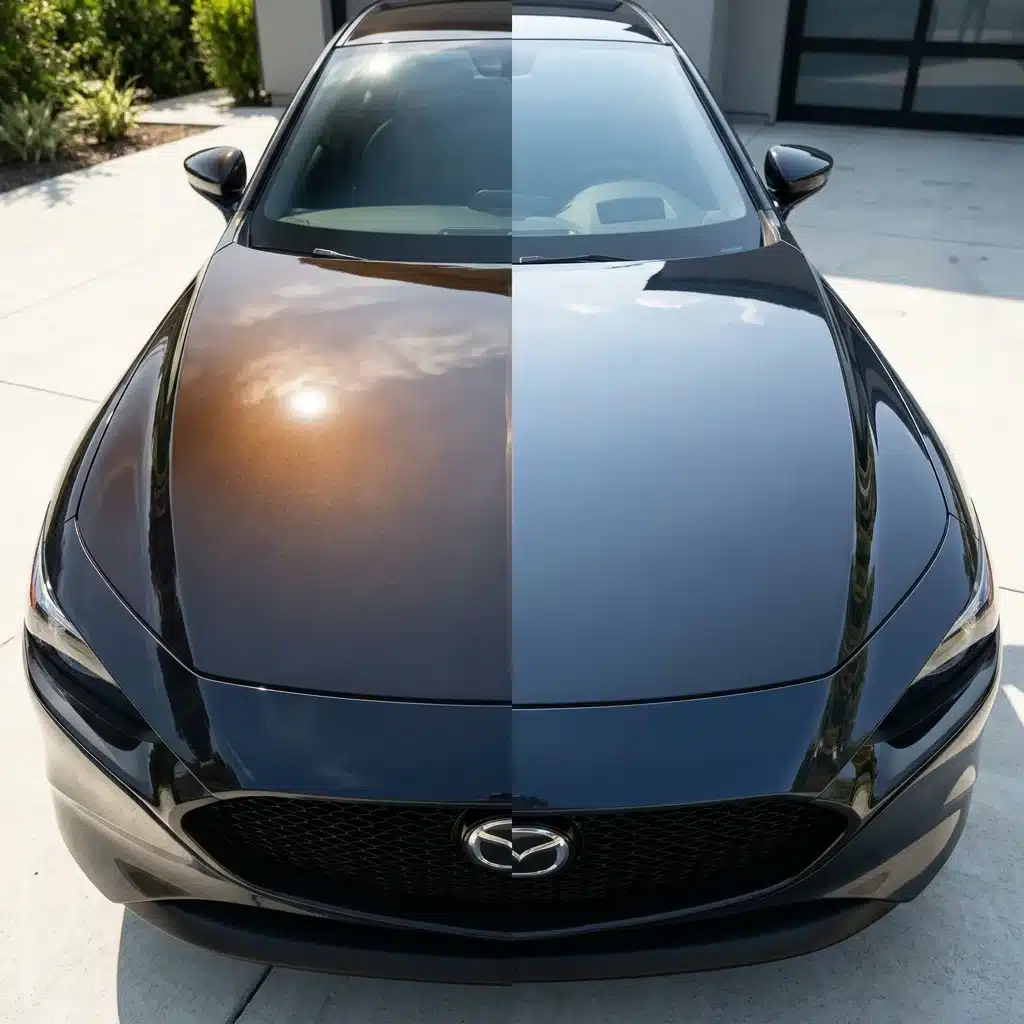
- Enhances gloss depth beyond what any wax can achieve, producing a mirror-like, liquid reflection
- Reduces maintenance dramatically because contaminants cannot bond to the coated surface
- Lasts two to seven years depending on the product tier and aftercare
For a deeper breakdown of coating longevity, read how long ceramic coating lasts.
“The moment someone sees what ceramic coating does to their paint under studio lighting, they never go back to wax. It is not even the same conversation. Wax gives you a nice glow for a few weekends. Coating gives you genuine protection that performs for years.”
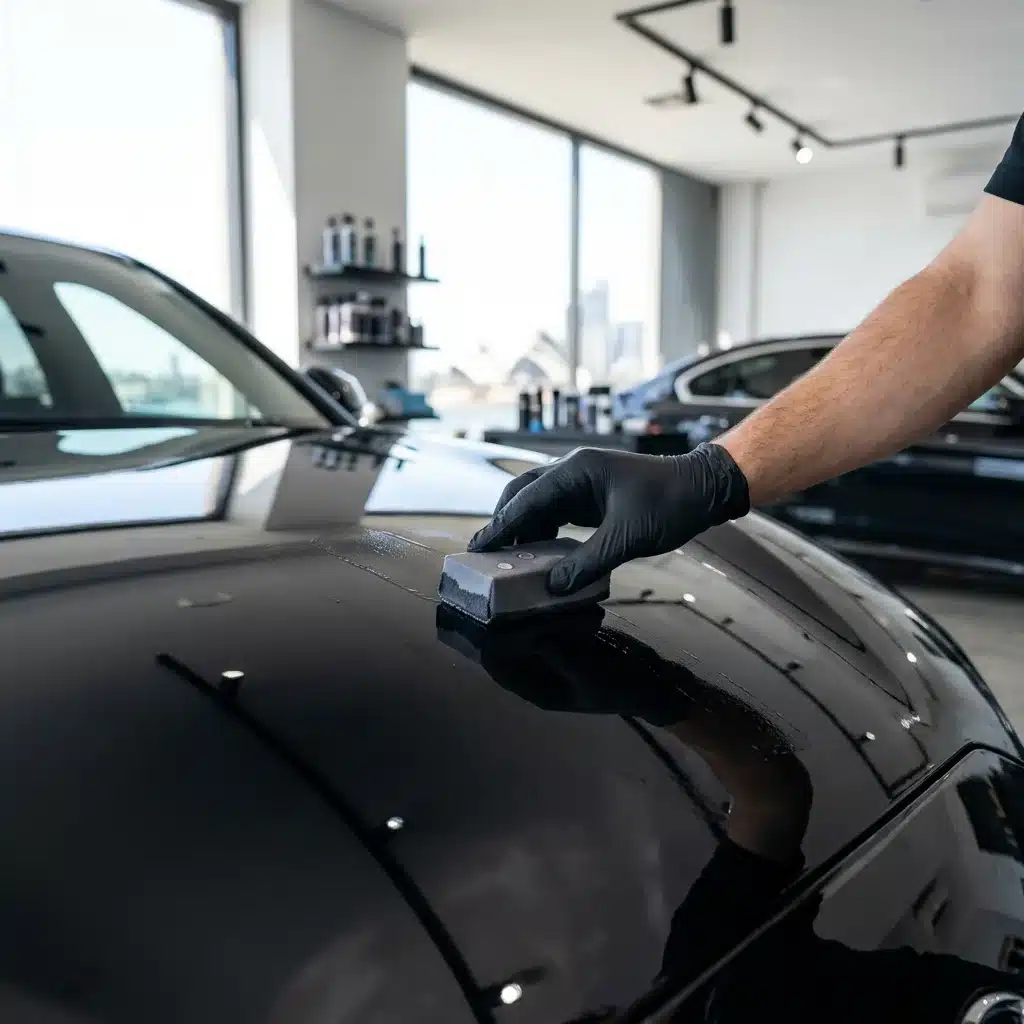
Ceramic Coating vs Wax: Full Comparison
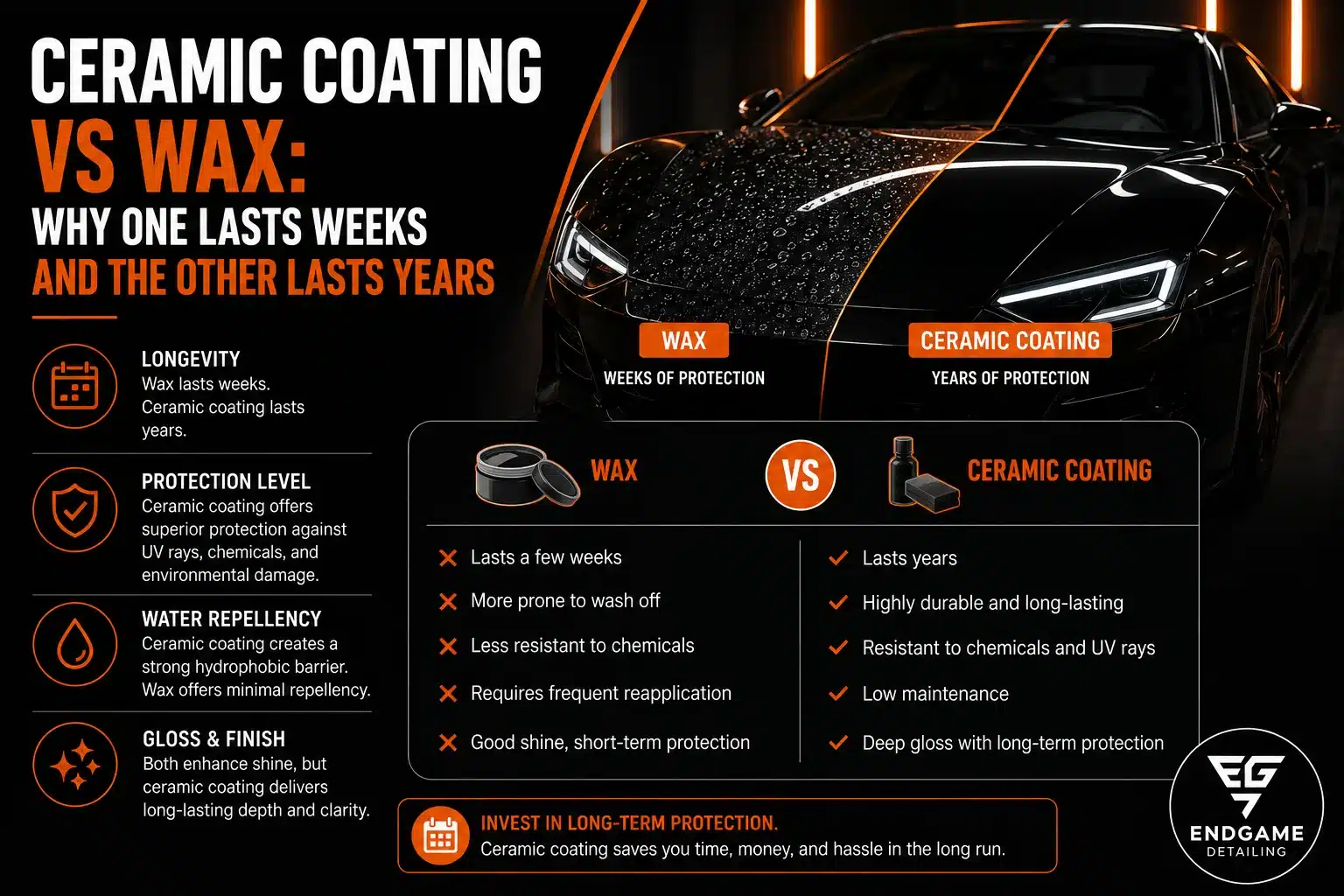
| Factor | Traditional Wax | Ceramic Coating |
|---|---|---|
| Bond type | Sits on top of paint (sacrificial) | Chemically bonds to clear coat (semi-permanent) |
| Durability | 2 to 12 weeks | 7 years (Feynlab Ultra V3) |
| UV protection | Minimal (degrades in weeks) | Significant (engineered UV blockers) |
| Chemical resistance | None (bird droppings etch through wax easily) | High (resists acid etching for extended periods) |
| Hydrophobic performance | Mild water repellency when fresh | Strong water beading and sheeting for years |
| Gloss type | Warm, soft glow (carnauba) or glassy sheen (synthetic) | Deep, mirror-like reflective depth |
| Application | DIY, hand-applied in minutes | Professional, requires paint correction first |
| Maintenance after application | Reapply every 1 to 3 months | Annual inspection and booster, basic washing |
| What affects the cost | Product only, reapplied often | Vehicle size, paint condition and correction stage needed |
| Cost over time | Adds up with every reapplication | Spread over the coating’s lifespan |
| Paint correction included | No | Yes (standard with professional application) |
| Scratch protection | None | Chemical resistance only (not physical impact) |
The cost per year comparison is where the real value becomes clear. Wax costs less each time you apply it, but you are applying it every few weeks. Over three years, the cumulative cost of wax products, wash mitts, applicators, and the time invested often matches or exceeds the one-off cost of a professional ceramic coating that works the entire time without reapplication.
For detailed pricing, see the ceramic coating cost Sydney guide.
Why Wax Fails Where Coating Succeeds
UV Protection
Sydney receives some of the highest UV radiation levels on the planet. Wax breaks down under UV within weeks, leaving the paint unprotected. Ceramic coating contains engineered UV-blocking compounds that remain effective for years, significantly slowing paint oxidation and colour fading.
Bird Droppings and Tree Sap
Bird droppings are acidic. On waxed paint, the acid eats through the wax layer within hours and begins etching the clear coat. On ceramic-coated paint, the acid sits on the coating’s chemically resistant surface and can be wiped away before it reaches the paint. This is one of the most practical, real-world advantages of coating over wax.
Water Behaviour
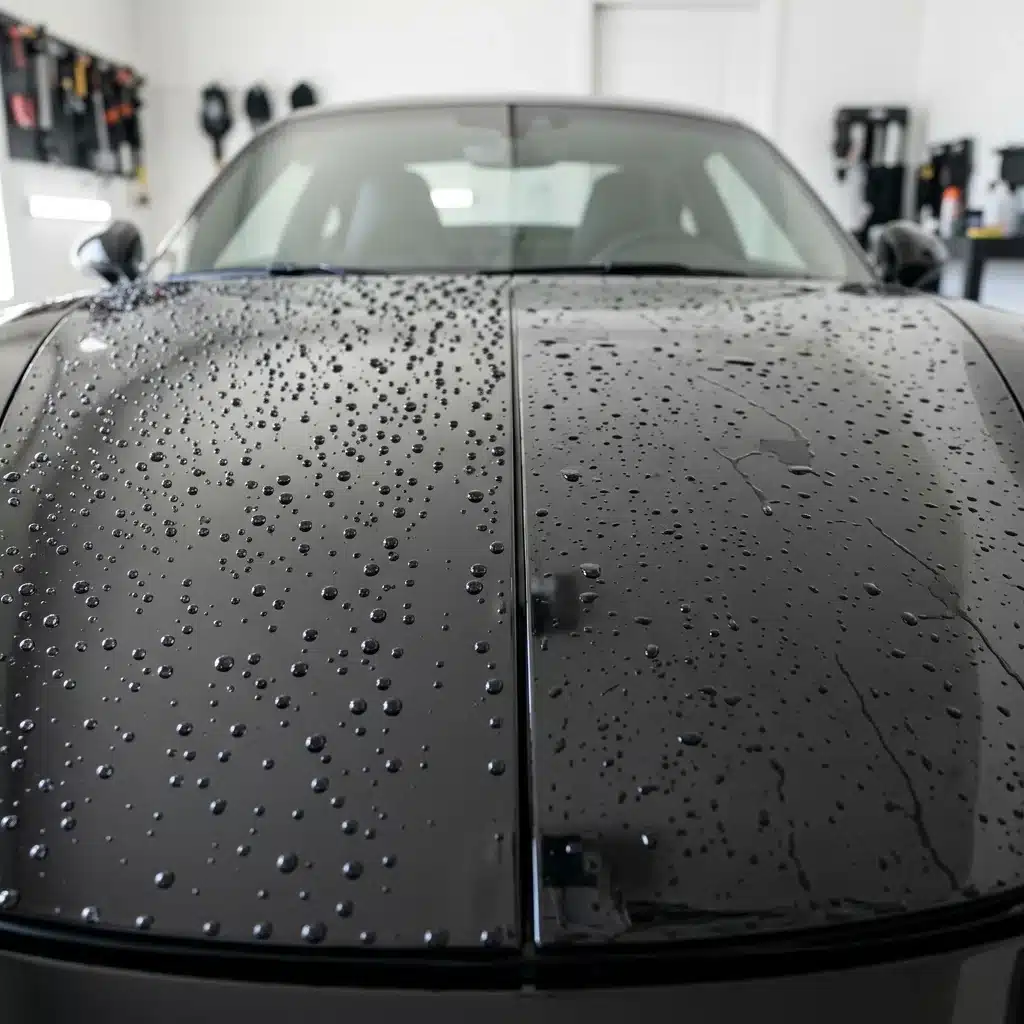
Fresh wax repels water mildly for the first week or two. Ceramic coating creates tight, consistent water beading and sheeting that lasts for years. This is not just a visual trick: water carrying dirt, minerals, and contaminants slides off coated paint before it can dry and leave water spots. On waxed paint, water sits, dries, and deposits minerals into the surface.
Maintenance Effort
With wax, you are committing to a cycle: wash, decontaminate, reapply wax, repeat every few weeks. Miss a cycle and the paint is unprotected. With ceramic coating, you wash normally with pH-neutral shampoo and the coating does the rest. Full coating maintenance is dramatically simpler than the wax reapplication cycle.
When Wax Still Makes Sense
Wax is not worthless. There are specific situations where it is the practical choice.
- Classic car shows where carnauba’s warm, deep glow is preferred for judging aesthetics over modern reflective depth
- Cars you are selling soon where a quick shine adds kerb appeal without a significant investment
- Budget constraints where the upfront cost of ceramic coating is not feasible right now
For most daily drivers, weekend cars, and enthusiast builds in Sydney, ceramic coating provides objectively better protection and value over any timeframe longer than a few months.
What About Graphene Coating?
Some car owners searching ceramic coating vs wax also encounter graphene coatings. Graphene is a newer technology that offers similar benefits to ceramic with some additional advantages: a slicker feel, strong water beading, and slightly improved durability in some formulations.
Endgame Detailing offers both ceramic and graphene coatings, and the best graphene coating for cars guide covers when graphene is the better choice over ceramic.
The Application Process: Why Professional Matters
The reason ceramic coating costs more than a tin of wax is not just the product. It is the preparation.
Step 1: Full decontamination. The car is washed, clay barred, and chemically decontaminated to remove all bonded contaminants from the paint surface.
Step 2: Paint correction. Swirl marks, scratches, water spots, and oxidation are machine-polished out. This is the step that makes the biggest visual difference, and it is impossible to do properly with wax alone. Wax fills defects temporarily; correction removes them permanently.
Step 3: Panel wipe. All polishing oils are removed so the coating bonds directly to clean clear coat.
Step 4: Coating application. The ceramic liquid is applied panel by panel, levelled with a microfibre cloth, and left to flash before moving to the next section.
Step 5: Curing. The car sits in a controlled environment for 12 to 24 hours while the coating fully hardens.
At Endgame Detailing in Guildford, every coating job includes full paint correction as standard. The coating locks in a corrected, flawless finish that wax users never get to experience because wax does not require (or benefit from) this level of preparation.
Can You Use Both Together?
We don’t recommend it. Wax over a ceramic coating clogs the surface and dulls the beading you paid for, so our rule is no wax of any kind on a coated car. For extra pop before a show, ask us about a coating-safe quick detailer instead.
If you go this route, use a pure carnauba with no cleaners or abrasives, and understand that it will wash off within a few weeks, leaving the ceramic coating intact underneath.